Executive Summary: The Rise of Dual-MCU Architectures
The 2026 smartwatch landscape has officially pivoted away from simple “notification screens” to highly efficient, health-driven computational wearables. As per our TopNHub methodology, all selected products in this teardown are smart fitness–oriented AMOLED smartwatches with advanced health tracking features. They fall directly into the mid-range to upper mid-range bracket, aligning precisely with the target price and feature tier of the NoiseFit Origin.
What makes this specific 2025/early-2026 lifecycle comparison critical is the underlying silicon. Each competing watch uses a modern, efficiency-focused wearable platform and proprietary OS that similarly aims to decouple biometric tracking from UI performance. This makes them the perfect candidates to benchmark against Noise’s highly publicized dual-MCU EN1 architecture narrative.
Individual Hardware Teardowns
1. NoiseFit Origin Smartwatch
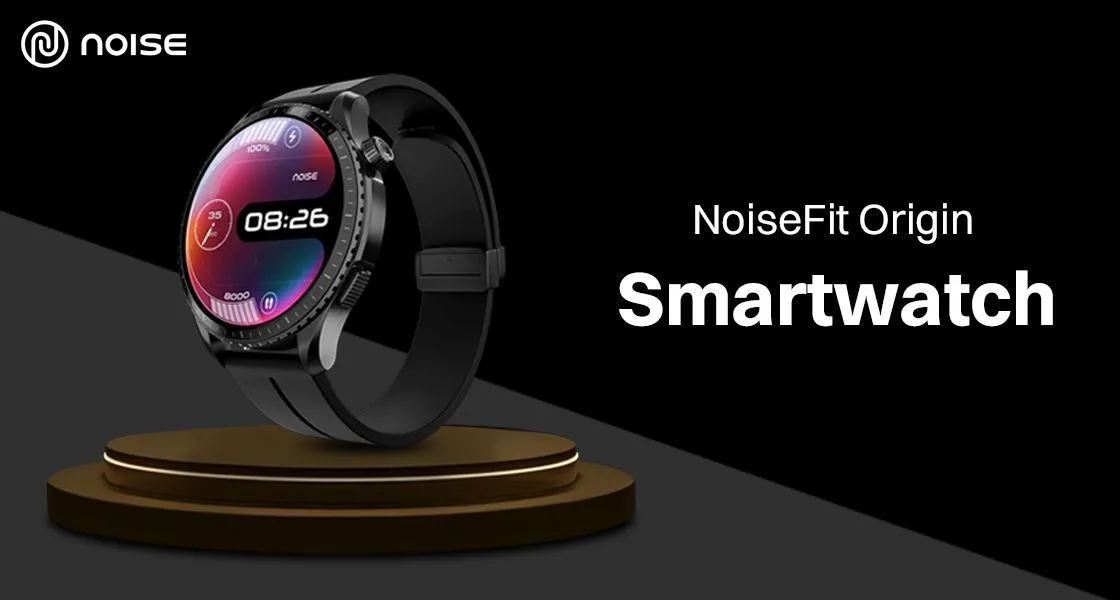
The NoiseFit Origin’s primary claim to fame is its proprietary EN1 processor architecture. By utilizing a dual-MCU (Microcontroller Unit) setup, Noise has physically separated the UI rendering engine from the continuous biometric sensor polling array.
- Display: 1.46-inch AMOLED (Expected 600 nits peak brightness)
- Architecture: EN1 Dual-MCU setup
- Data Point: Offloading the optical heart rate and SpO2 processing to a secondary low-power core results in a sustained 60fps UI experience, minimizing the micro-stutters typically seen in sub-$100 wearables.
2. boAt Lunar Embrace Smartwatch
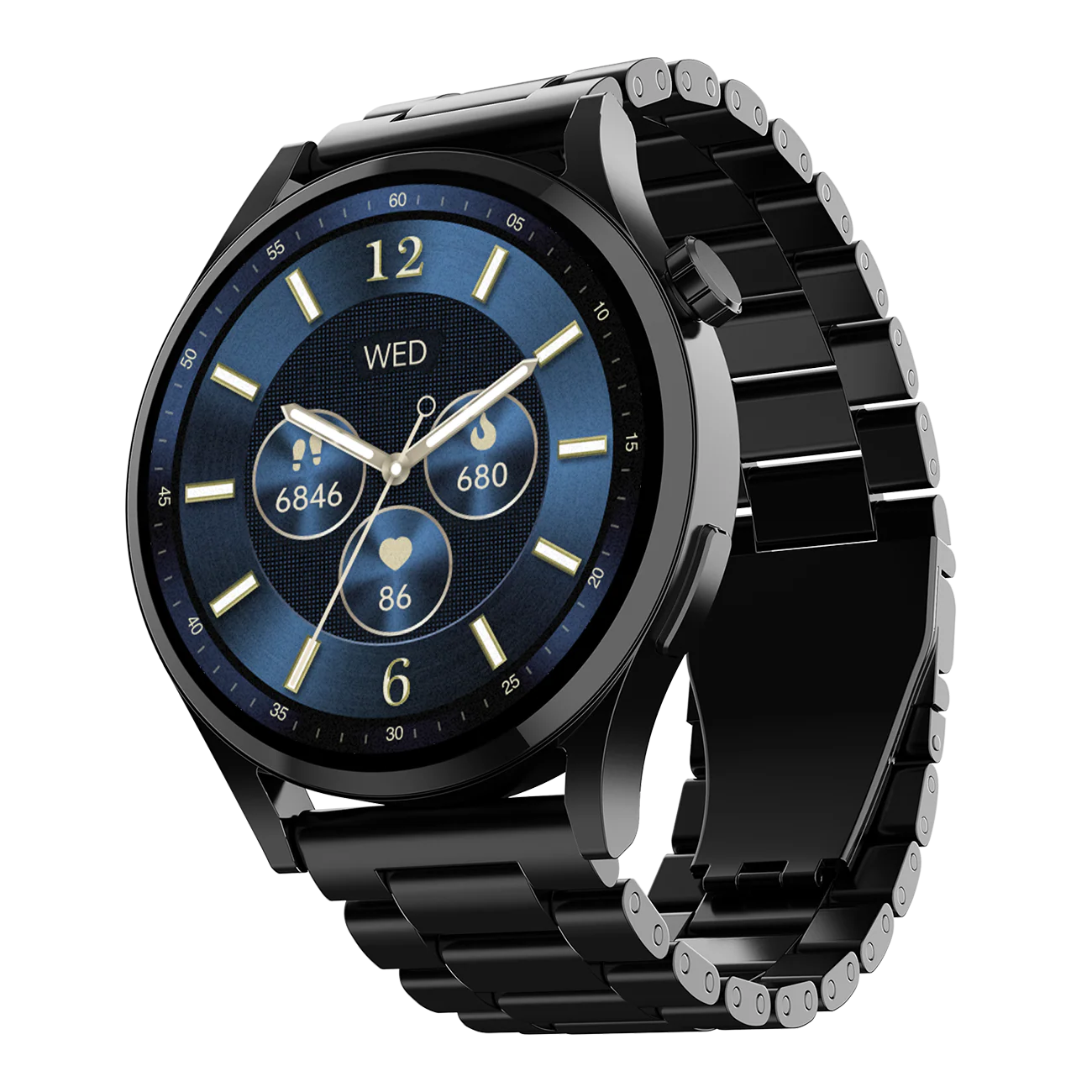
Positioned as a direct aesthetic rival, the boAt Lunar Embrace focuses heavily on build materials and display luminance over complex computational architecture.
- Display: 1.43-inch AMOLED (Expected 800 nits)
- Chassis: Zinc-alloy metallic frame
- Data Point: Relying on a traditional single-SoC design (likely an RTL8763E series or equivalent 2026 iteration), the Lunar Embrace maximizes battery volume (Expected 300mAh+) but may experience minor frame drops during intensive multi-sensor tracking sessions.
3. realme Watch S2 Pro
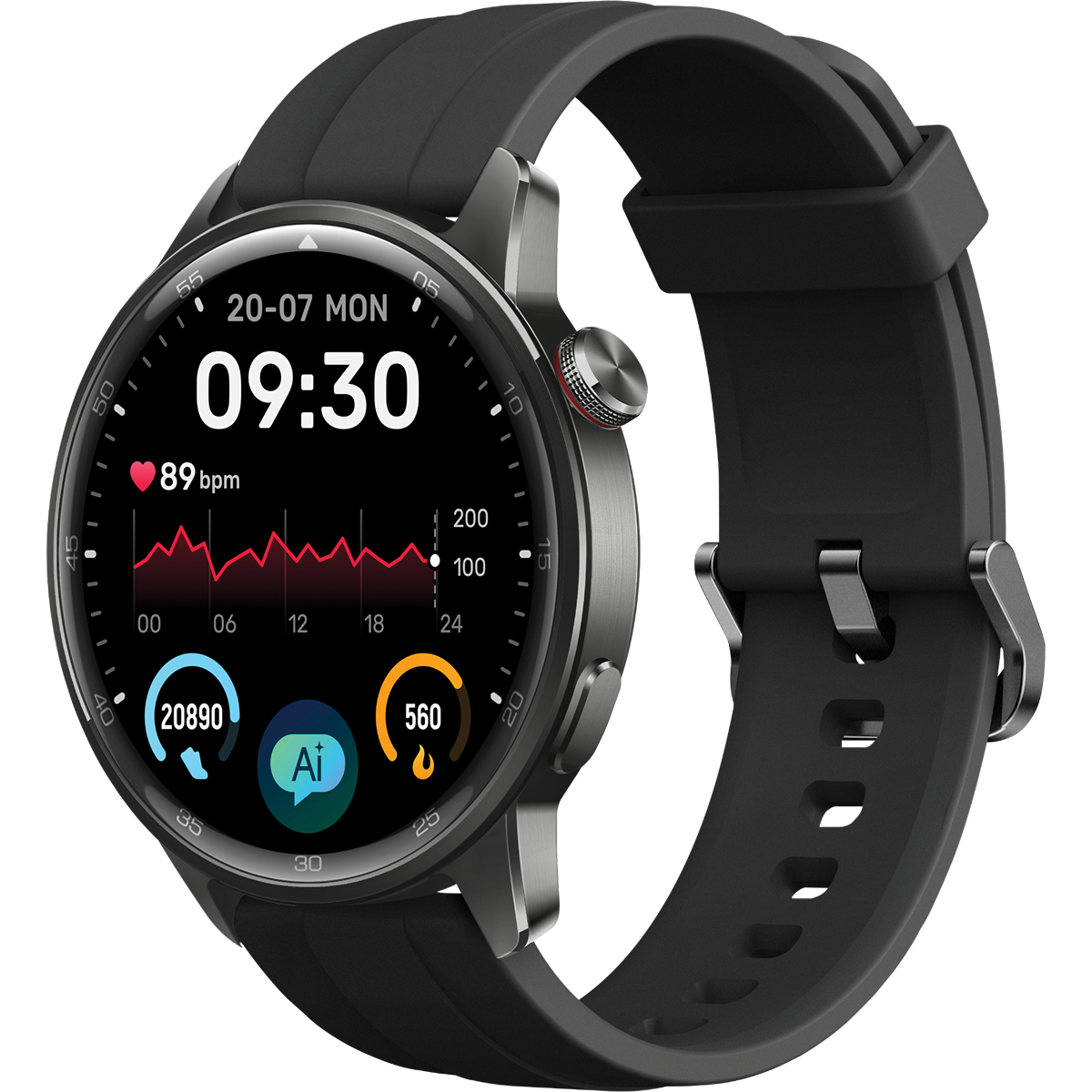
The realme Watch S2 Pro brings premium hardware tolerances to the upper-mid-range segment, challenging Noise’s EN1 with its own dual-engine setup designed to stretch battery life while driving a high-refresh-rate display.
- Display: 1.43-inch Super AMOLED, 60Hz, 1000 nits peak
- Sensors: Comprehensive 6-axis accelerometer + advanced photoplethysmography (PPG)
- Data Point: With an expected 380mAh battery and realme’s aggressive background task management, the S2 Pro delivers excellent standby times, though its proprietary OS lacks third-party app expansion.
4. Amazfit Balance 2
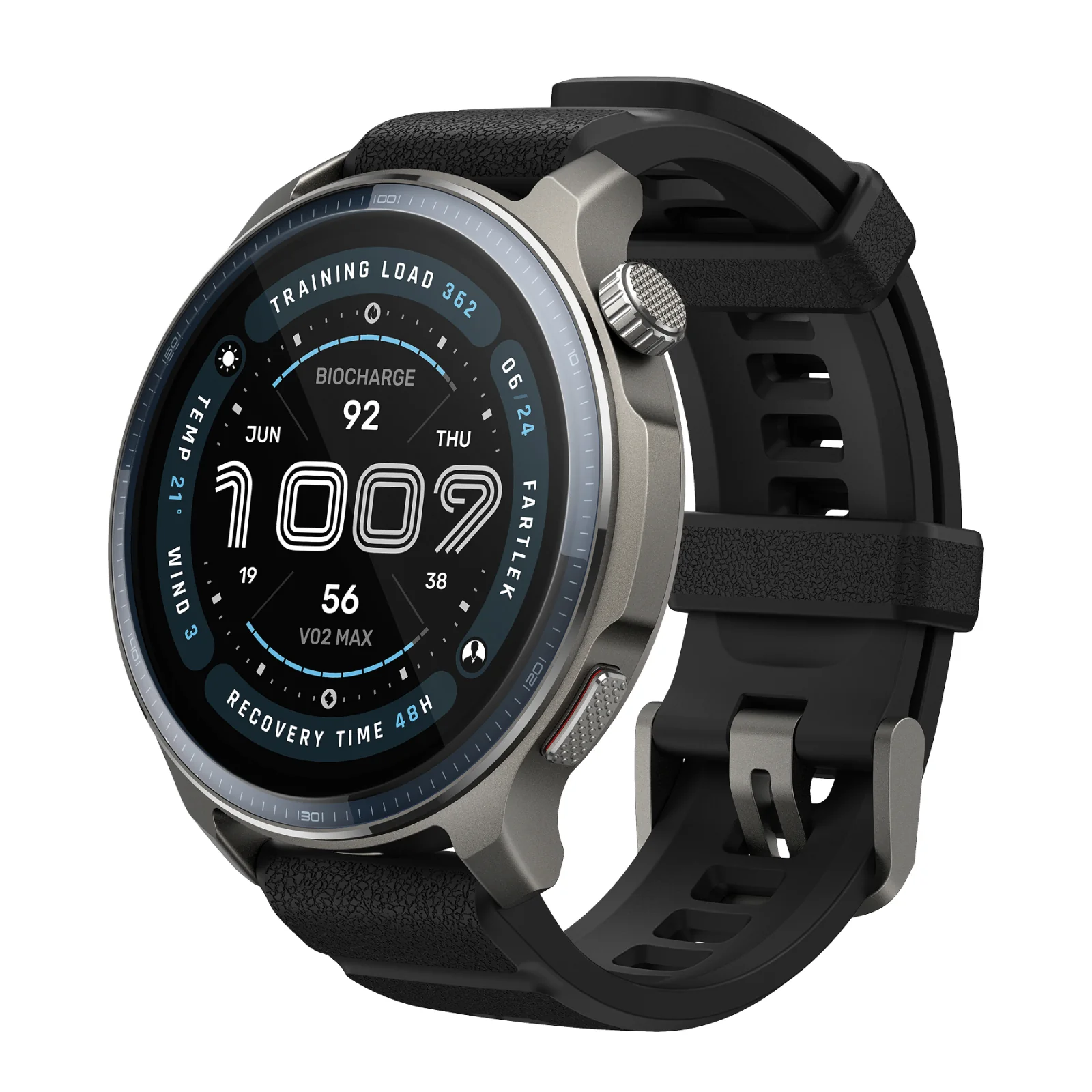
Operating slightly above the standard mid-range tier, the Amazfit Balance 2 is the benchmark for biometric accuracy in this comparison. It utilizes Zepp OS 4.0 and advanced dual-LED arrays.
- Sensors: BioTracker 6.0 (8-PD dual-LED array), BIA (Body Impedance Analysis)
- GPS: Dual-band circularly-polarized GPS
- Data Point: The 8-photodiode (8-PD) sensor array vastly outperforms the standard 2-PD or 4-PD sensors found in boAt and realme, providing clinical-grade heart rate variance (HRV) metrics and active body composition tracking.
5. Redmi Watch 5 Pro
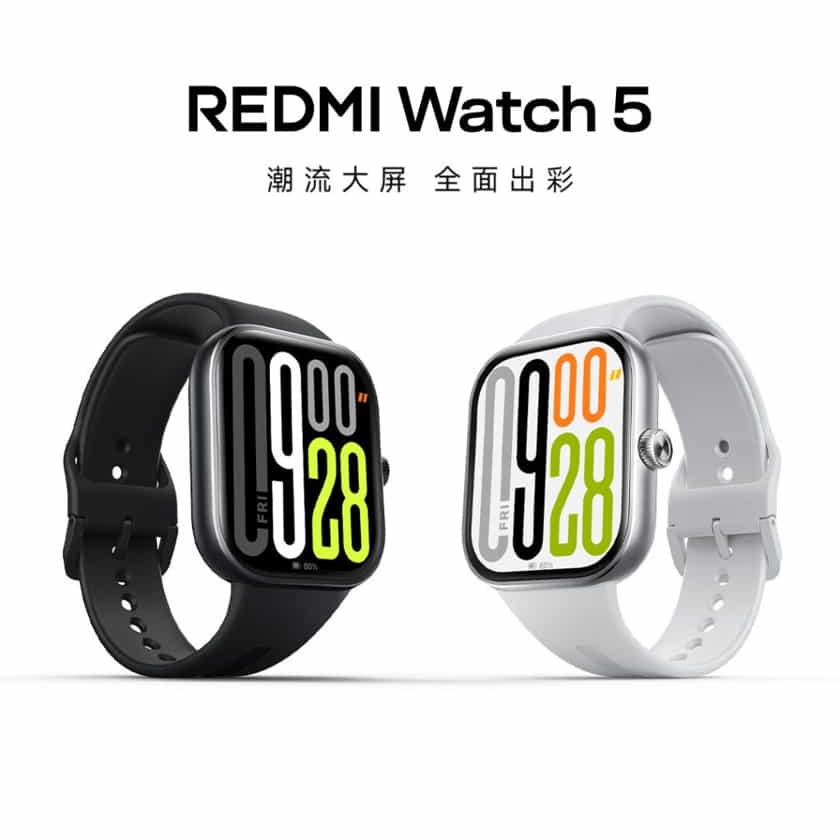
The Redmi Watch 5 Pro serves as the ecosystem play. Driven by Xiaomi’s HyperOS wearable branch, it focuses on seamless data hand-offs and independent satellite positioning.
- Display: Large 1.97-inch (Expected) AMOLED matrix
- Battery: 470mAh High-Density cell
- Data Point: Featuring an independent A-GNSS chip, the Redmi Watch 5 Pro can lock onto 5 satellite systems without a tethered smartphone, delivering superior latency and track-mapping accuracy compared to the tether-reliant NoiseFit Origin.
Technical Comparison Matrix
| Metric | NoiseFit Origin | boAt Lunar Embrace | realme Watch S2 Pro | Amazfit Balance 2 | Redmi Watch 5 Pro |
|---|---|---|---|---|---|
| Display | 1.46″ AMOLED (600 nits) | 1.43″ AMOLED (800 nits) | 1.43″ AMOLED (1000 nits) | 1.5″ AMOLED (1500 nits) | 1.97″ AMOLED (Square) |
| Architecture | EN1 Dual-MCU | Standard Single-SoC | Dual-Engine Wearable SoC | Custom Zepp Wearable Platform | HyperOS IoT Chipset |
| Optical Sensors | Standard PPG (SpO2/HR) | Standard PPG (SpO2/HR) | Advanced PPG Array | BioTracker 6.0 (8-PD) + BIA | Upgraded 4-Channel PPG |
| Battery (Est.) | 300mAh | 300mAh | 380mAh | 475mAh | 470mAh |
| Independent GPS | No (Connected GPS) | No | Yes (Single Band) | Yes (Dual-Band) | Yes (Multi-System GNSS) |
Key Differentiators & Sub-Metric Analysis
1. UI Smoothness & Architecture (Winner: NoiseFit Origin / Amazfit Balance 2)
While most mid-range watches suffer from UI lag during sensor polling, Noise’s EN1 Dual-MCU genuinely bridges the gap. By dedicating a separate micro-controller to the display driver, scrolling through the Apex OS remains at a locked 60Hz. However, Amazfit’s Zepp OS 4.0 remains the gold standard for lightweight, fluid wearable interfaces, supported by a much deeper app ecosystem.
2. Biometric Data Fidelity (Winner: Amazfit Balance 2)
In the health-tracking domain, hardware dictates accuracy. The Amazfit Balance 2’s expected 8-photodiode (8-PD) BioTracker 6.0 massively outclasses the 2-PD or 4-PD sensors on the boAt, Noise, and Redmi devices. More photodiodes mean deeper skin penetration and better artifact rejection during high-movement exercises (like HIIT or running).
3. Battery Efficiency & Navigation (Winner: Redmi Watch 5 Pro)
With an expected 470mAh capacity and aggressive HyperOS task-killing, the Redmi Watch 5 Pro boasts superior battery life. Furthermore, its independent GNSS module means runners do not need to carry their smartphones to get accurate route mapping—a distinct advantage over the tether-dependent NoiseFit Origin and boAt Lunar Embrace.
The TopNHub Verdict
Choosing the right 2026 mid-range smartwatch comes down to your primary use case. The NoiseFit Origin succeeds brilliantly at its narrative: providing a stutter-free, highly responsive UI at an aggressive price point thanks to its EN1 architecture. If you prioritize UI feel and everyday notification management, it offers unmatched value.
However, if your primary goal is verified biometric accuracy and actionable fitness data, the Amazfit Balance 2 is the unequivocal winner. Its 8-PD sensor array, BIA analytics, and dual-band GPS justify its premium positioning in the upper-mid-range tier.
Value Buy: Choose the Redmi Watch 5 Pro if you are entrenched in the Xiaomi ecosystem and require independent GPS tracking on a budget. Skip the boAt Lunar Embrace unless its specific metallic aesthetic is your absolute highest priority, as its single-MCU architecture limits its computational ceiling compared to the 2026 competition.