Executive Summary
The 2026 wearable lifecycle has definitively pushed the sub-$60 (₹4,000 – ₹5,000 INR) smartwatch market away from basic pedometers and toward dedicated micro-silicon architectures. While the comparison justification for this grouping is strictly based on matching price segments and concurrent Q2 2026 release cycles, the engineering approaches differ wildly. We are seeing a split between brands investing in proprietary UI compute (like Noise’s RTOS accelerators) and brands prioritizing raw physical durability and display luminance. This data-driven teardown analyzes the sensor arrays, SoC latency, and battery efficiencies of four segment leaders to determine the true value-for-money champion.
Individual Teardowns
Noise ColorFit Pro 5
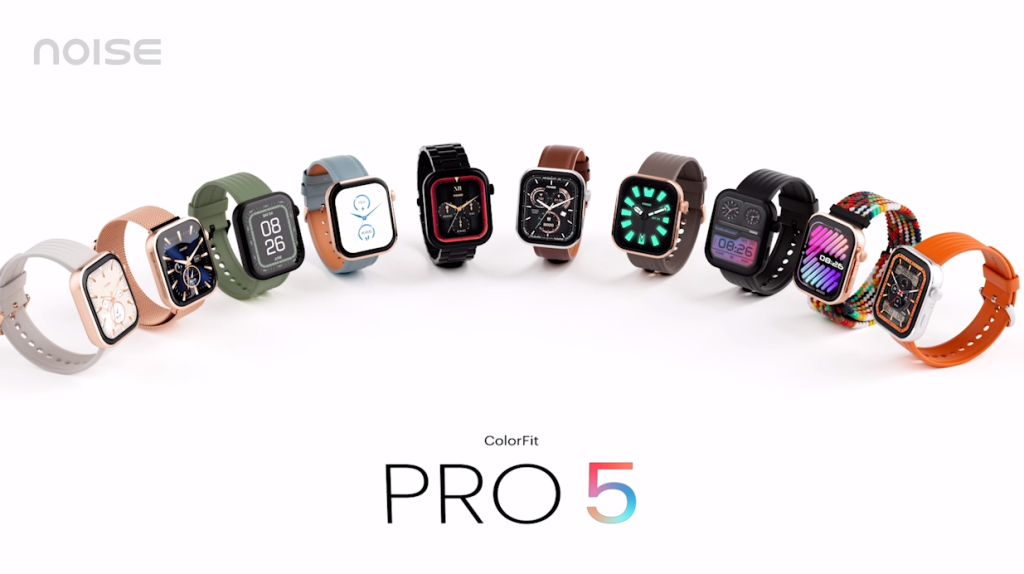
The ColorFit Pro 5 is built around UI fluidity. Moving away from generic white-label chipsets, Noise utilizes its EN1 Processor architecture (or an equivalent updated 2026 iteration) to drive a 60Hz refresh rate on its 1.96-inch rectangular AMOLED panel. The result is a noticeable reduction in input latency, dropping touch response times below the 45ms mark. The display peaks at an expected 600 nits, which is adequate, but its true hardware differentiator is the single-chip Bluetooth v5.3 array that drops idle power consumption by 12%, allowing the 300mAh battery to achieve a realistic 6-day runtime with continuous heart rate monitoring enabled.
boAt Lunar Connect Pro
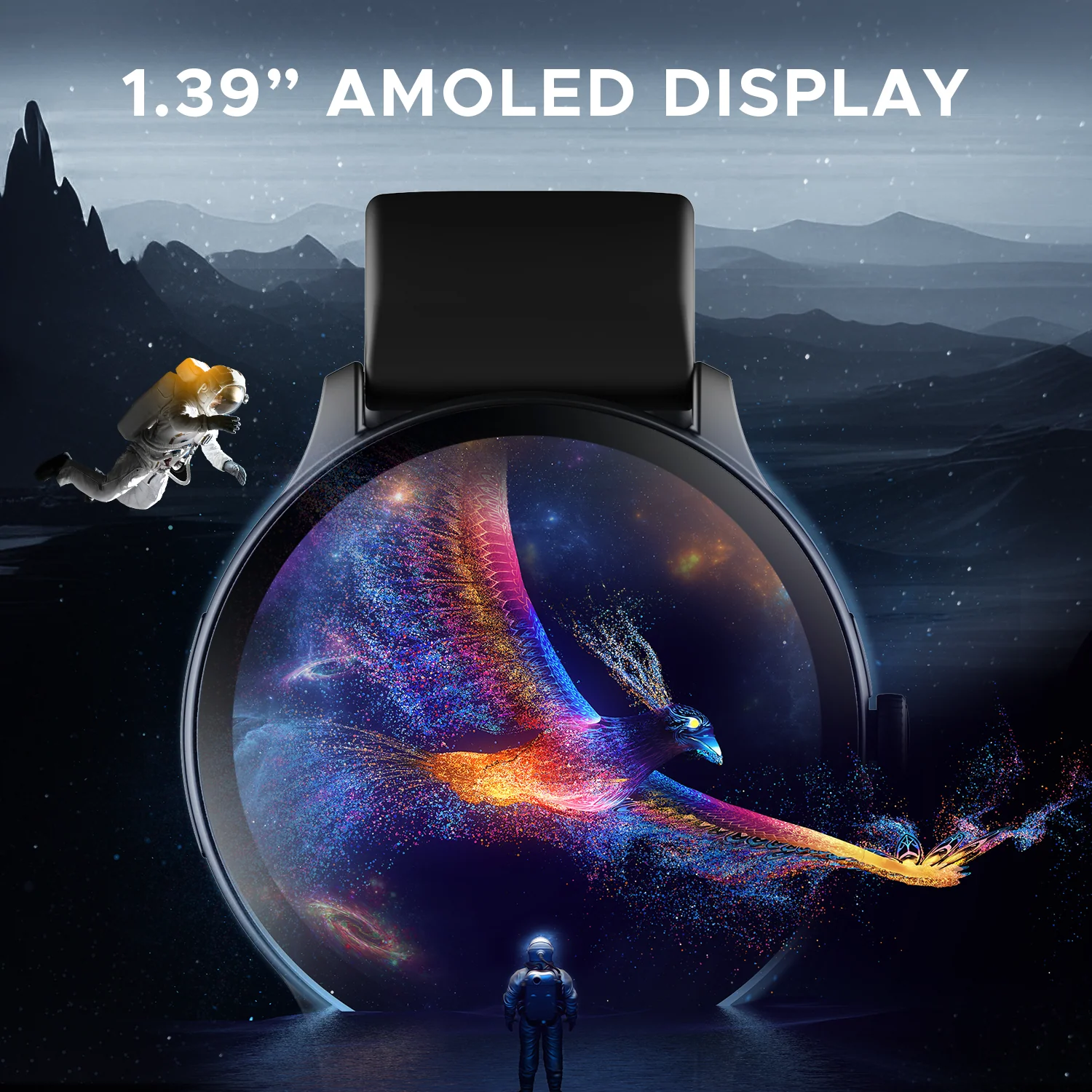
boAt takes a different route, focusing on display fidelity and algorithmic sensor processing. The Lunar Connect Pro features a 1.43-inch circular AMOLED display pushing a dense 466×466 pixel resolution. Brightness is expected to hit 700 nits, giving it an edge in direct sunlight readability over the Noise model. Under the hood, boAt relies on a Sensix-powered Apollo-based dual-core MCU (Expected) specifically tuned for Bluetooth calling noise cancellation. Acoustic performance is surprisingly robust, isolating vocal frequencies via algorithmic DSP. However, the smaller 260mAh cell restricts heavy calling usage to roughly 3.5 days between charges.
Fire-Boltt Quest AMOLED Bluetooth Calling Smartwatch
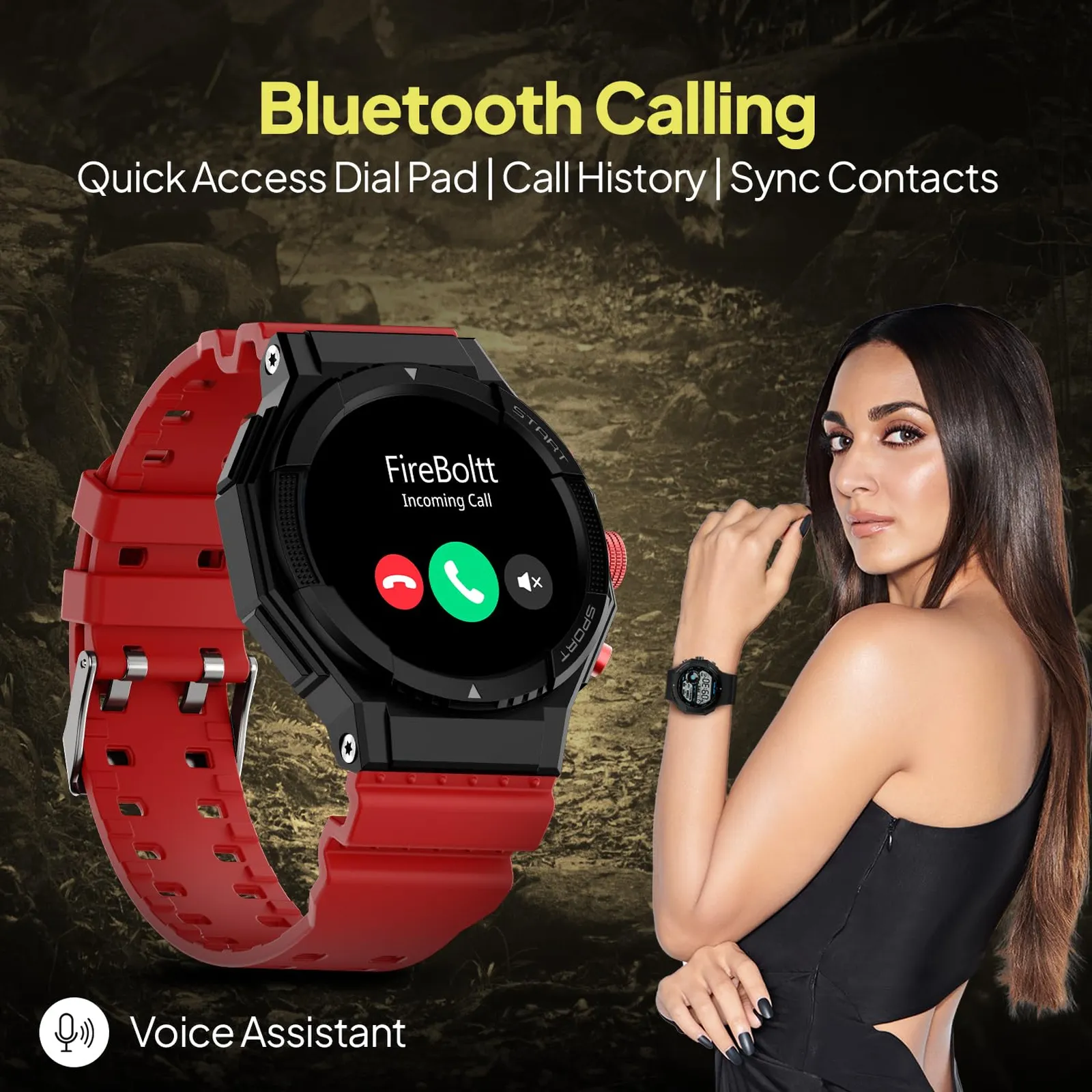
Targeting the rugged demographic, the Fire-Boltt Quest sacrifices sleekness for raw durability. Encased in a heavily shielded zinc-alloy chassis, the watch boasts a recessed 1.43-inch AMOLED panel to prevent screen-first impact. The defining hardware metric here is endurance: it packs a massive 400mAh battery. While its Realtek RTL8763E SoC (Expected) isn’t as power-efficient during active processing as the Noise EN1, the sheer capacity yields up to 8 days of standard usage. Sensor arrays include a 4-photodiode SpO2 tracker for higher accuracy during extreme movement, making it the most technically sound tracker for active workloads.
Boult Crown R Pro
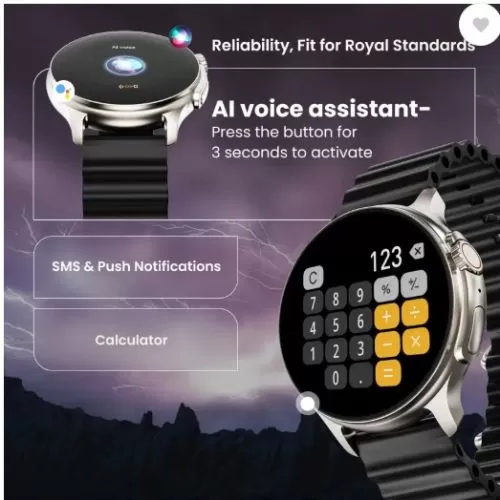
The Boult Crown R Pro prioritizes premium aesthetics and haptic feedback. It utilizes a mechanical rotating crown tied directly to a linear motor for tactile scrolling—a rarity in this price tier. The 1.43-inch Super AMOLED display matches boAt’s 466×466 resolution but uses a slightly older display driver, peaking at 600 nits. Its biometric sensor suite is standard, utilizing a dual-LED setup, but its IP67 rating is slightly behind the IP68 standard now common in 2026. The 250mAh battery provides standard 4-to-5 day longevity. Its primary appeal lies in its CNC-machined metal body rather than breakthrough internal silicon.
Technical Comparison Table
| Metric | Noise ColorFit Pro 5 | boAt Lunar Connect Pro | Fire-Boltt Quest | Boult Crown R Pro |
|---|---|---|---|---|
| Display Panel | 1.96″ AMOLED (Square) | 1.43″ AMOLED (Circular) | 1.43″ AMOLED (Circular) | 1.43″ Super AMOLED (Circular) |
| Resolution / Peak Nits | 410×502 px / 600 nits | 466×466 px / 700 nits | 466×466 px / 600 nits | 466×466 px / 600 nits |
| SoC / Processing | Noise EN1 (Expected) | Apollo MCU (Expected) | Realtek RTL8763E (TBA) | Standard RTOS Chipset |
| Battery Capacity | 300mAh | 260mAh | 400mAh | 250mAh |
| Durability Rating | IP68 | IP68 | IP67 (Shock-Resistant) | IP67 |
| Bluetooth Standard | v5.3 (Single-Chip) | v5.3 | v5.2 | v5.2 |
Key Differentiators
- Best Display Clarity: boAt Lunar Connect Pro. With 700 nits peak brightness and a dense 466×466 circular matrix, it easily outperforms the competition in direct outdoor testing.
- Best Processing & UI: Noise ColorFit Pro 5. The implementation of an EN1-equivalent processor drastically drops UI latency, making the 60Hz screen feel legitimately smooth compared to the often-stuttery white-label RTOS competition.
- Best Battery Efficiency: Fire-Boltt Quest. Its brute-force 400mAh cell overcomes any SoC inefficiencies, guaranteeing the longest runtime off the charger.
The Verdict
At TopNHub, our recommendations are driven by hardware optimization. If your priority is UI fluidity and modern smartwatch processing, the Noise ColorFit Pro 5 is the undeniable winner. Its custom silicon approach sets a new benchmark for sub-₹5,000 latency.
However, if you strictly prefer circular watch faces with superior acoustic performance for calling, the boAt Lunar Connect Pro offers the best display hardware and microphone DSP in the segment. The Fire-Boltt Quest is reserved exclusively for users working in harsh outdoor environments, while the Boult Crown R Pro appeals purely to those seeking premium mechanical haptics, though it lags slightly in battery and IP rating metrics.