Executive Summary
The 2026 wearable technology landscape marks a decisive shift from wrist-bound displays to discreet, finger-based biometric tracking. As miniaturization yields sub-3mm PCB assemblies and micro-battery capacities push past the 20mAh threshold, smart rings have transitioned from niche gadgets to primary health hubs. This comparison analyzes the hardware teardowns, sensor topologies, and value-for-money propositions of five leading models. The market currently faces a schism: established premium architectures relying on subscription-gated analytics (Oura) versus a rapidly maturing segment of zero-subscription, hardware-focused alternatives (boAt, Noise, Pi).
Architectural Teardowns
boAt Smart Ring Gen 2
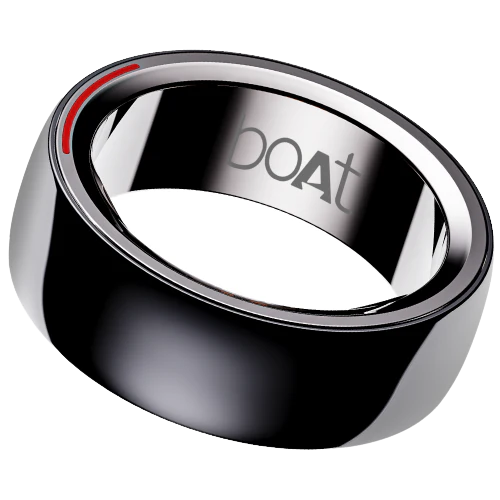
The anticipated Gen 2 iteration from boAt addresses the primary critique of its predecessor: bulk. Expected to transition from a ceramic-heavy build to an aerospace-grade titanium shell, this ring targets a sub-3g weight. Technical expectations point toward an optimized 25mAh battery yielding a verified 6-day runtime. The optical sensor array upgrades to a multi-path PPG setup, reducing signal noise during high-kinetic activities.
Noise Luna Ring
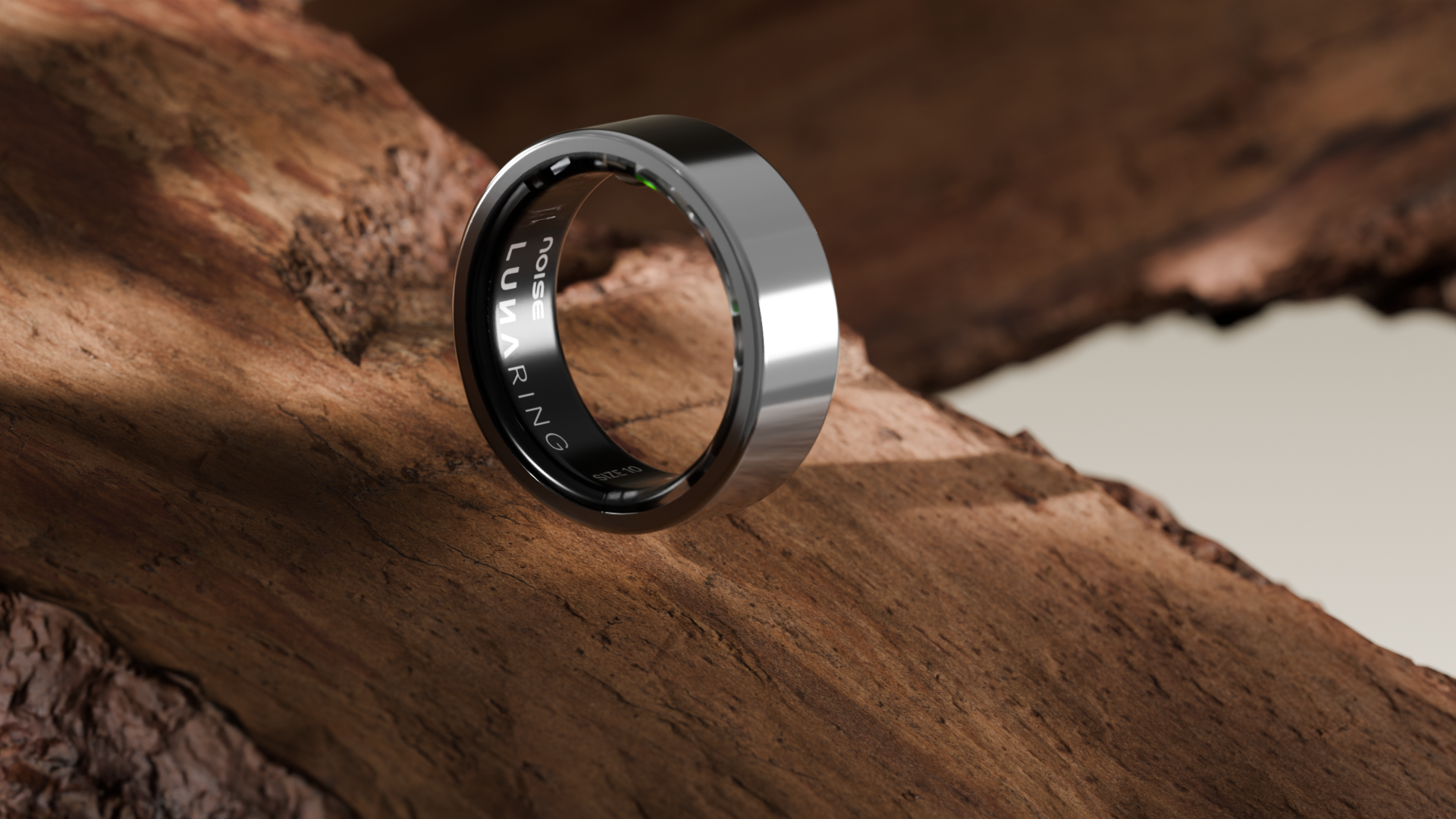
Noise engineered the Luna Ring with a fighter-jet grade titanium chassis, featuring a diamond-like carbon (DLC) coating that drastically improves scratch resistance. The standout hardware proposition here is the integration of Philips biosensors, utilizing discrete infrared and green LED channels to map resting heart rate and SpO2 with clinical-grade variance margins. A highly efficient Bluetooth Low Energy (BLE) 5.3 module enables up to 7 days of standby time.
boAt Smart Ring (1st Gen)
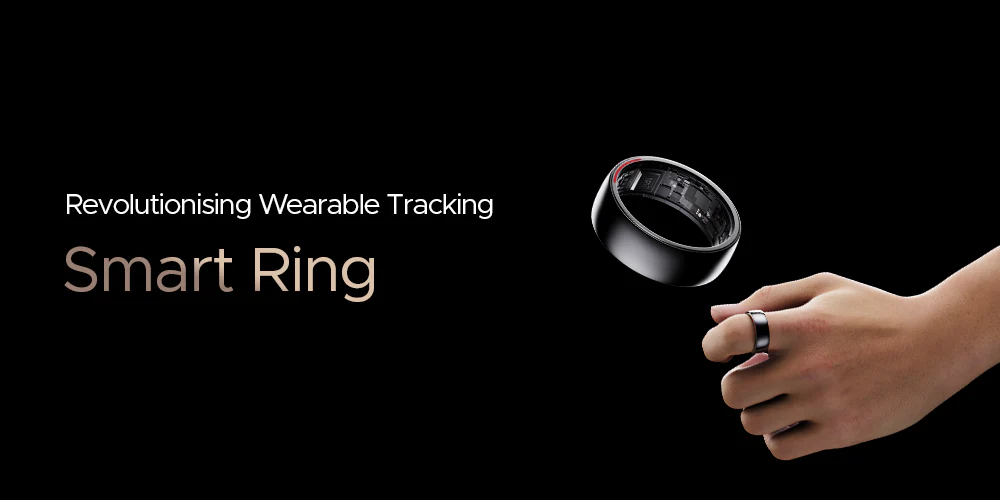
The inaugural boAt Smart Ring utilizes a composite ceramic outer shell mated to a 316L stainless steel inner band. At approximately 4 grams, it is noticeably denser than 2026 flagship standards. Its 3-axis accelerometer and standard PPG sensor reliably track sleep stages and step counts, though its 4-day battery cycle under heavy continuous monitoring shows the limitations of early-generation internal spacing.
Pi Ring
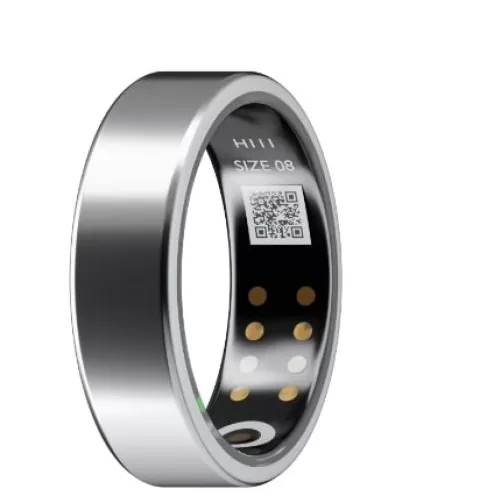
Targeting the entry-level segment, the Pi Ring strips away exotic materials in favor of a durable, hypoallergenic resin/ceramic blend. It prioritizes core vitals—heart rate and blood oxygen—omitting the complex NTC temperature sensors found in premium tiers. This reduction in sensor overhead allows a smaller power cell to still achieve a respectable 5-day cycle. It is a strictly functional, high-value data node.
Oura Ring Gen 3 (2025 refresh)
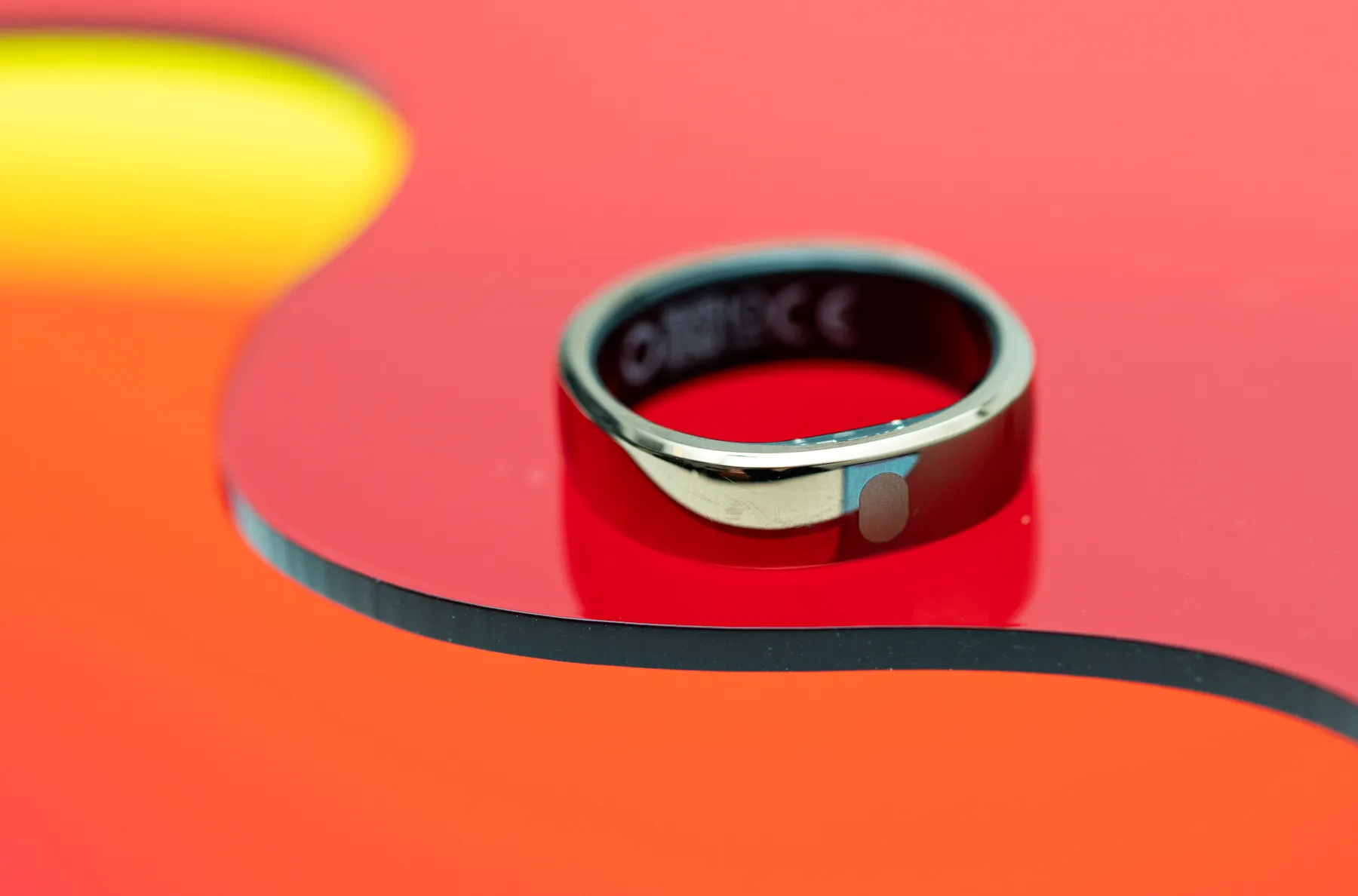
The 2025 hardware refresh of the Oura Gen 3 maintains its dominance via algorithmic superiority and sensor density. Weighing between 2.5g and 3.2g depending on size, the titanium ring packs a staggering array: green/red/IR LEDs, Negative Temperature Coefficient (NTC) thermistors, and a 3D accelerometer. The hardware supports 10ATM water resistance, making it the most rugged tracker here. The only bottleneck is its mandatory subscription model to unlock full telemetry.
Technical Comparison Table
| Specification | boAt Smart Ring Gen 2 | Noise Luna Ring | boAt Smart Ring (1st Gen) | Pi Ring | Oura Gen 3 (2025 refresh) |
|---|---|---|---|---|---|
| Outer Material | Expected: Titanium | Titanium (DLC Coated) | Ceramic | Resin / Ceramic | Titanium (PVD) |
| Weight | Expected: <3g | ~3g | ~4g | ~4.5g | 2.5g – 3.2g |
| Battery Life | Expected: Up to 6 Days | Up to 7 Days | Up to 4 Days | Up to 5 Days | Up to 7 Days (15-22mAh) |
| Water Resistance | 5ATM (50m) | 5ATM (50m) | 5ATM (50m) | IPX8 / 3ATM | 10ATM (100m) |
| Key Sensors | PPG, SpO2, Skin Temp | Philips Biosensors (PPG, Temp) | PPG, SpO2, Temp | Basic PPG, SpO2 | Multi-LED PPG, NTC Temp |
| Subscription Cost | None | None | None | None | $5.99/mo (Expected) |
| Price / Purchase | Buy Now on Amazon | Buy Now on Amazon | Buy Now on Amazon | Buy Now on Amazon | Buy Now on Amazon |
Key Differentiators
Sensor Topology & Accuracy
Oura undeniably dominates with its multi-channel LED setup and precise NTC thermistors, capturing minute deviations in baseline temperature to predict illness and track cycles. However, the Noise Luna Ring is a formidable challenger; its integration of Philips-engineered biosensors closes the gap in PPG optical accuracy, particularly in detecting resting heart rate variability (HRV) with reduced latency.
Build & Miniaturization
The boAt Smart Ring (1st Gen) and Pi Ring represent the older 4g+ generation, relying heavily on bulky ceramic outer layers to house flat batteries. The industry standard in 2026 mandates curved micro-batteries and titanium builds, achieved masterfully by Oura and Noise, and highly expected in the boAt Gen 2. Oura’s 10ATM rating effectively doubles the water pressure resistance of the competition, making it the only true diver-friendly option.
Value Economy
The total cost of ownership (TCO) radically shifts when evaluating Oura’s recurring monthly fee against the upfront-only models. Noise Luna provides 90% of Oura’s hardware capability without the software tax, making it the undisputed winner for long-term fiscal efficiency.
The Verdict
For data purists who demand the highest algorithmic accuracy and are unfazed by subscription paywalls, the Oura Ring Gen 3 (2025 refresh) remains the absolute pinnacle of micro-wearable architecture. However, from a strict value-for-money and hardware efficiency perspective, the Noise Luna Ring is our top recommendation. It delivers premium titanium materials, top-tier Philips biosensors, and a robust 7-day battery—all without a recurring subscription. For budget-conscious buyers, holding out for the impending boAt Smart Ring Gen 2 presents the smartest path to entering the smart ring ecosystem.