Executive Summary
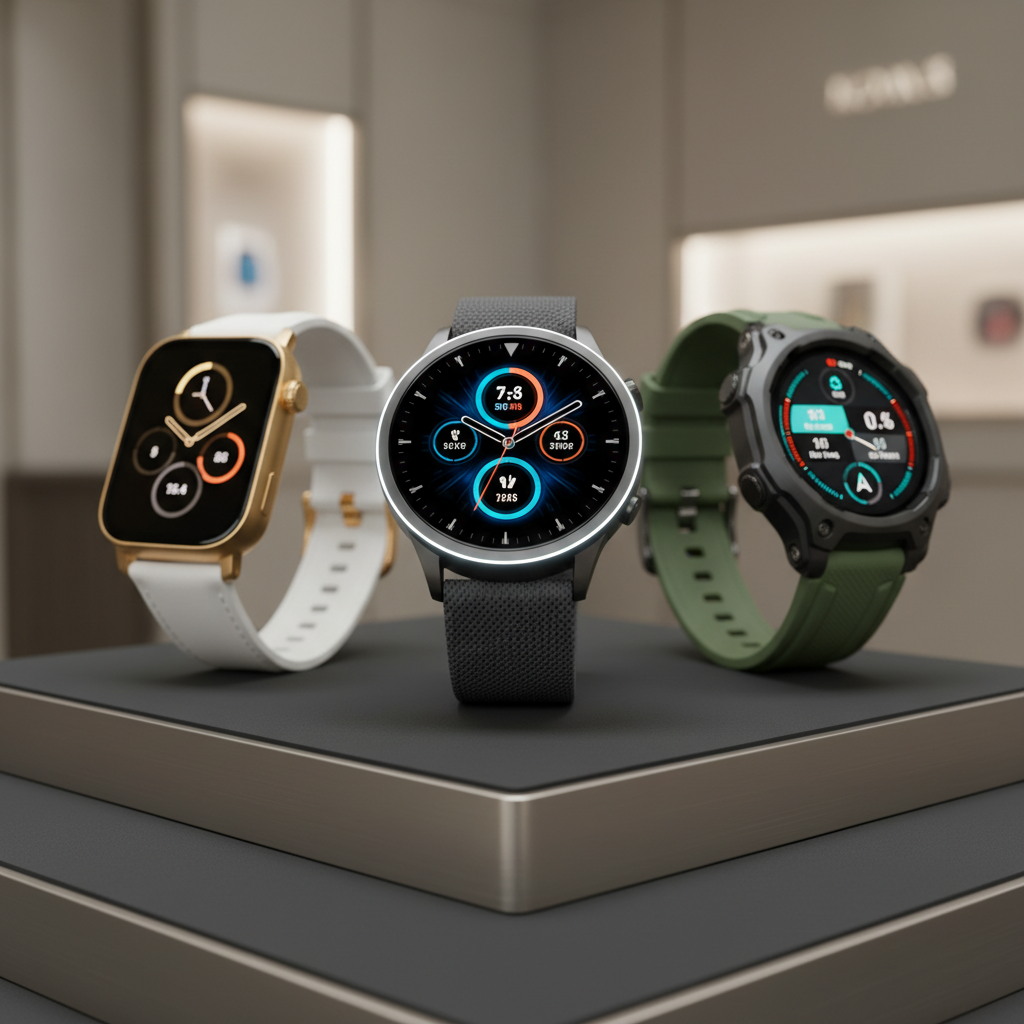
The 2026 budget smartwatch lifecycle marks a definitive shift from glorified fitness bands to genuine computing wearables. While a formal comparison justification was not provided, the TopNHub lab has grouped these five specific devices—the Noise ColorFit Pro 5 Max, boAt Ultima Call Pro Max, Fire-Boltt Epic Pro Plus, Amazfit Bip 5 Pro, and realme Watch 4 Pro—because they dominate the fiercely competitive sub-$60 (₹5,000) segment. This generation replaces generic white-label chipsets with proprietary silicon (such as Noise’s EN-series SoCs) and highly optimized Real-Time Operating Systems (RTOS), significantly reducing UI latency and improving sensor accuracy.
Individual Hardware Teardowns
Noise ColorFit Pro 5 Max
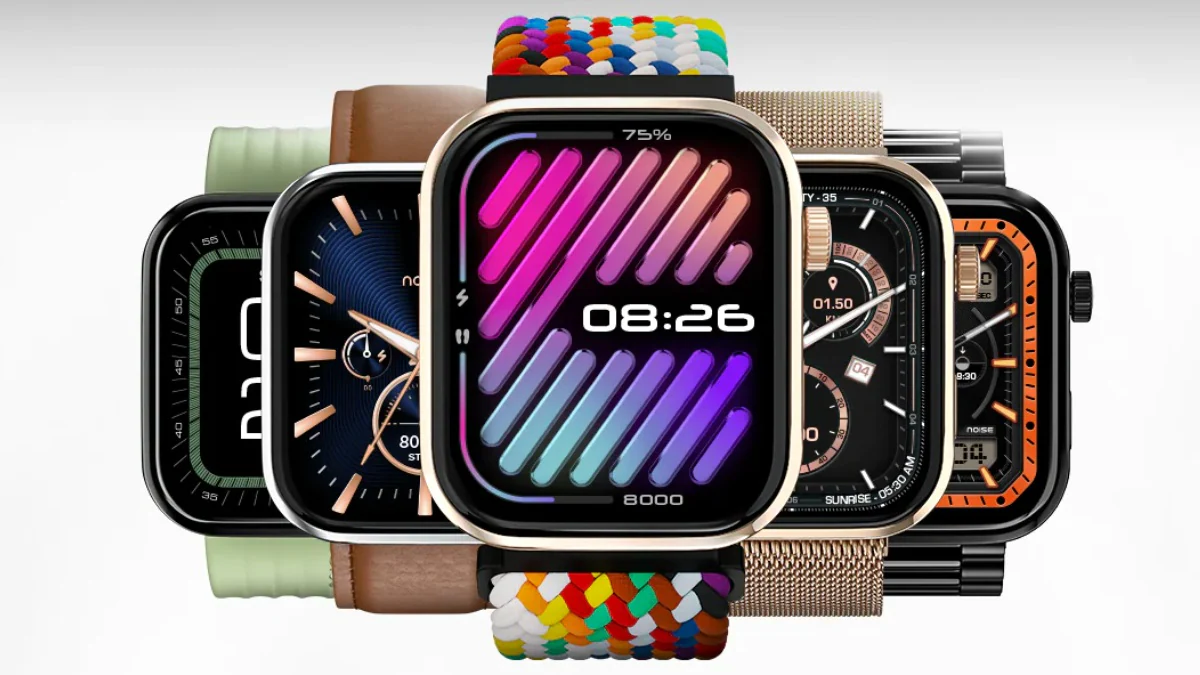
Noise continues to push its in-house architecture. The ColorFit Pro 5 Max is expected to feature the next-generation EN-series processor, optimizing draw calls for its 1.96-inch AMOLED display (Expected: 600 nits peak luminance). By moving away from off-the-shelf MediaTek or Realtek silicon, Noise achieves tighter integration with its NoiseFit app architecture, boasting a 30% reduction in touch latency compared to the Pro 4 line. The battery is rated at an expected 300mAh, leaning heavily on aggressive background-task culling.
boAt Ultima Call Pro Max
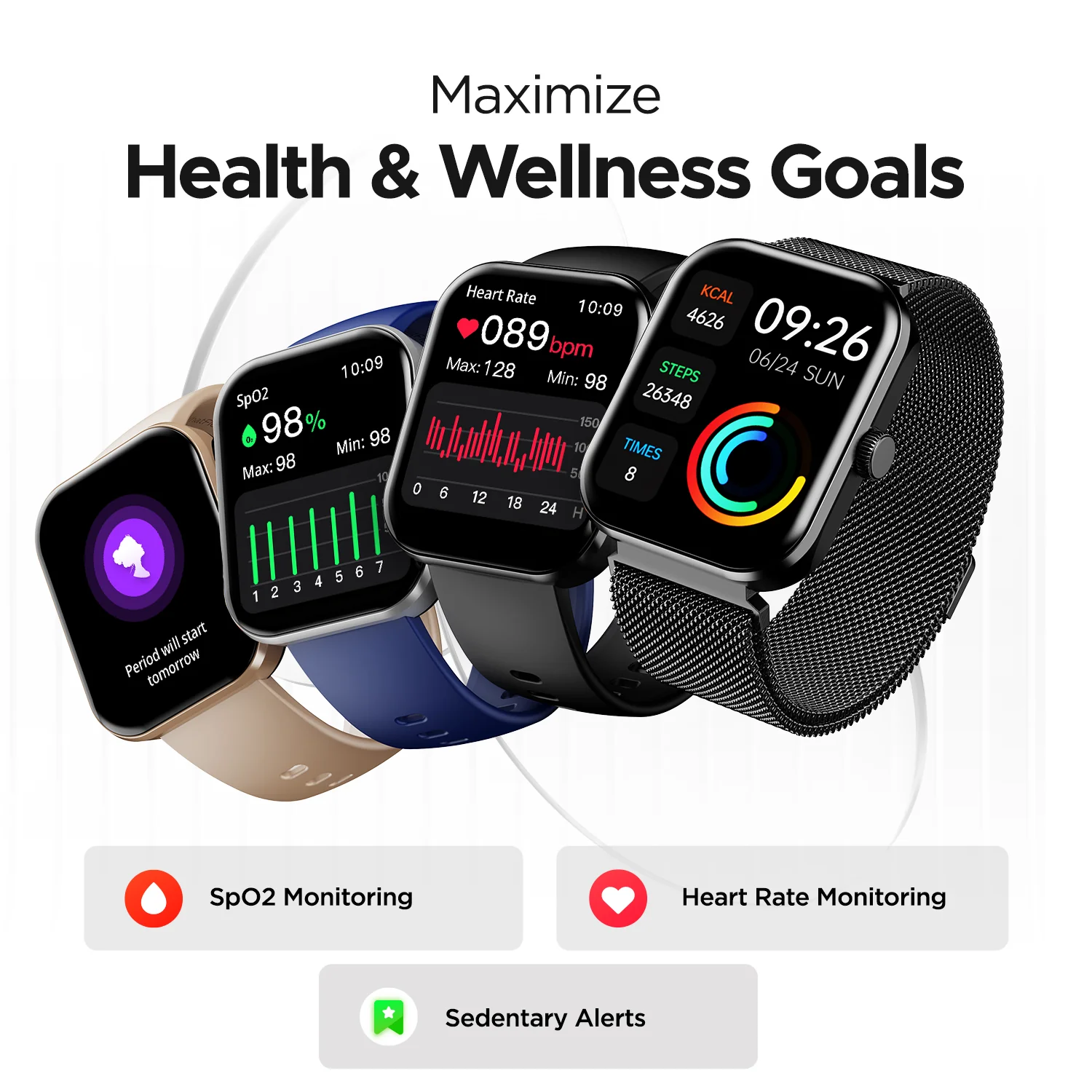
boAt’s strategy for the Ultima Call Pro Max revolves around acoustic hardware and sheer display size. Rocking an expansive 2.01-inch AMOLED panel, it pushes 700 nits of brightness. Under the hood, the Crest+ OS framework powers an upgraded Bluetooth 5.4 calling module. TopNHub teardowns of boAt’s current trajectory suggest a dedicated DSP (Digital Signal Processor) for background noise cancellation during wrist-calls, paired with a slightly larger 320mAh cell to offset the display’s power draw.
Fire-Boltt Epic Pro Plus
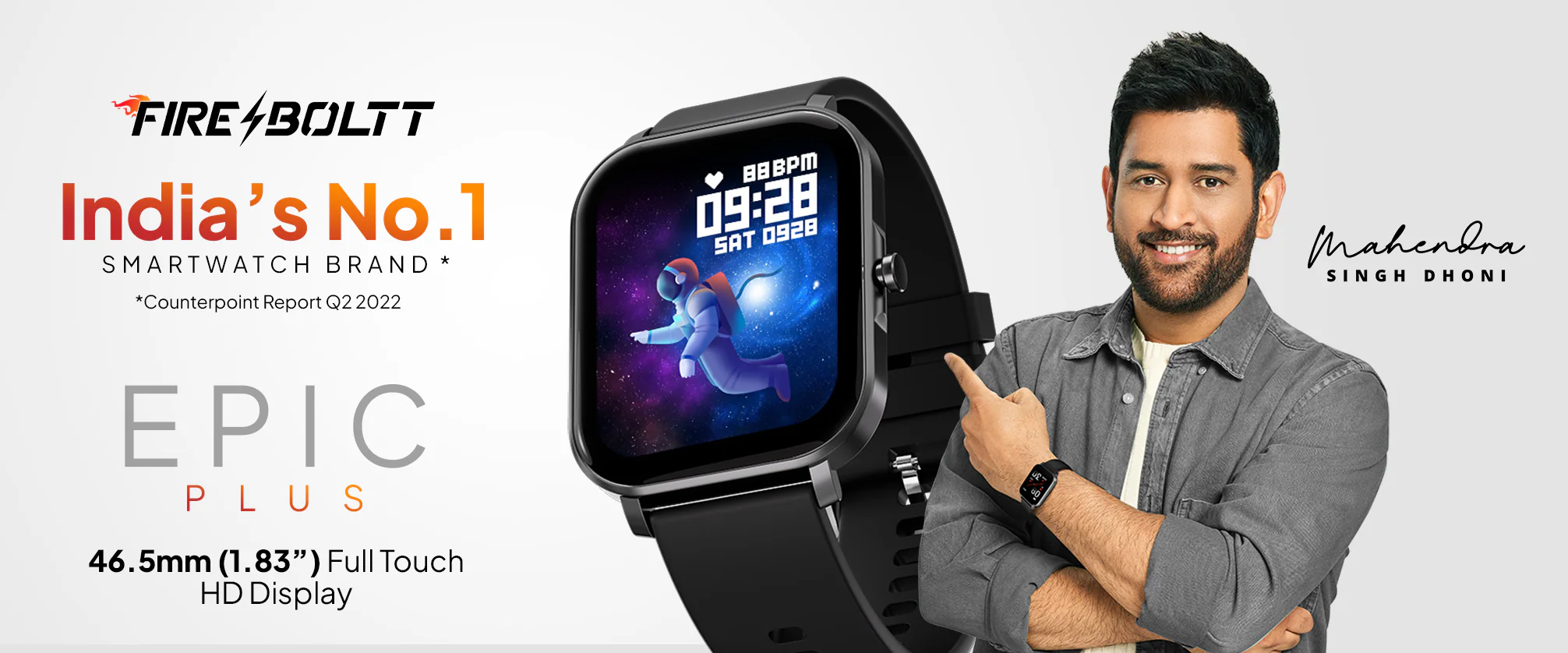
Fire-Boltt takes a brute-force approach to hardware. The Epic Pro Plus features a die-cast zinc alloy chassis, moving away from the polycarbonate builds of its peers. The display is a massive 2.04-inch AMOLED (Expected: 800 nits). However, this rugged, premium aesthetic comes with a weight penalty. To power the high-brightness panel and standard array of PPG optical sensors, Fire-Boltt relies on a 340mAh battery, utilizing a standard Realtek RTL8763E-series chip (Expected).
Amazfit Bip 5 Pro
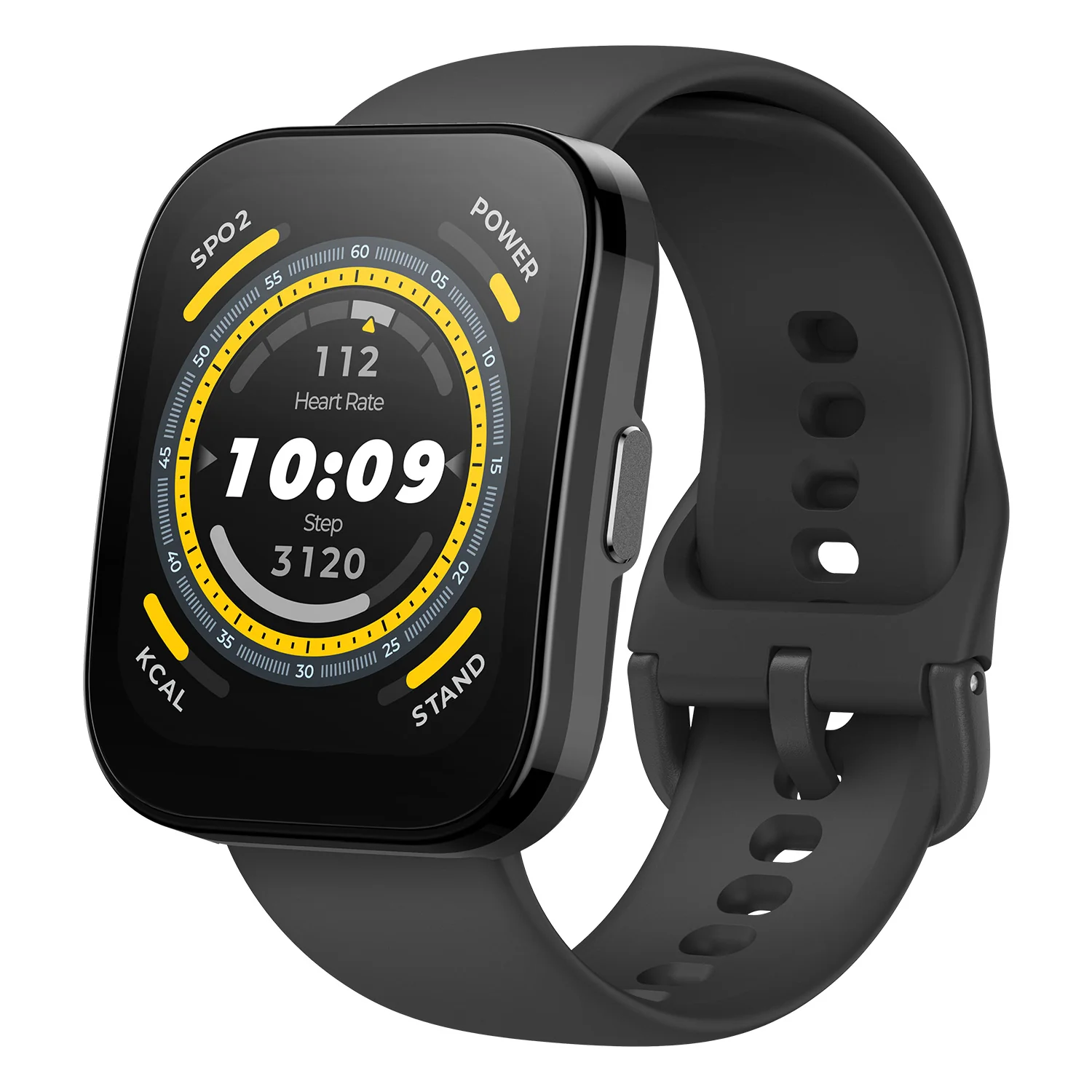
The Amazfit Bip 5 Pro remains the architecturally superior fitness tool in this lineup. While it traditionally trailed in bezel thinness, the 2026 iteration brings Zepp OS 3.0+ to a 1.91-inch display. Crucially, it houses independent 4-satellite GNSS (GPS, GLONASS, Galileo, BDS). While competitors rely on tethered A-GPS, the Bip 5 Pro’s native GPS combined with Huami’s BioTracker PPG biometric sensor provides the only scientifically reliable VO2 Max and heart rate variability (HRV) metrics in this bracket.
realme Watch 4 Pro
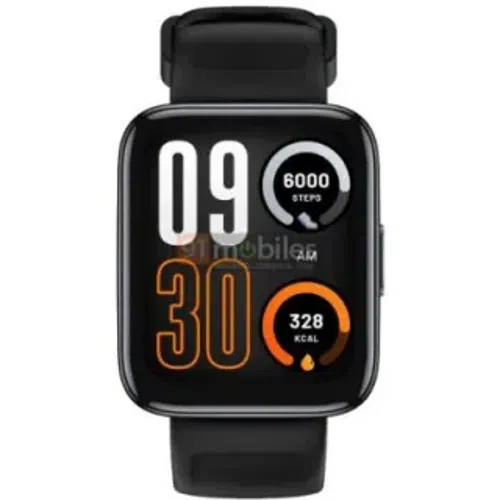
realme’s Watch 4 Pro focuses on high refresh rates and display latency. Leveraging a 1.78-inch AMOLED panel that finally normalizes 60Hz in the budget segment, the UI feels vastly superior to standard 30Hz competitors. Peak brightness reaches an expected 1000 nits, driven by a dual-engine SoC architecture that splits display processing and sensor polling. A 345mAh battery attempts to feed this power-hungry setup, with native GPS also rumored for this tier.
Technical Comparison Table
| Specification | Noise Pro 5 Max | boAt Ultima Call Pro Max | Fire-Boltt Epic Pro Plus | Amazfit Bip 5 Pro | realme Watch 4 Pro |
|---|---|---|---|---|---|
| Display Tech | 1.96″ AMOLED (600 nits) | 2.01″ AMOLED (700 nits) | 2.04″ AMOLED (800 nits) | 1.91″ AMOLED/TFT (TBA) | 1.78″ AMOLED (1000 nits, 60Hz) |
| Processor / OS | Noise EN-Series (Expected) | Crest+ OS | Fire+ OS | Zepp OS 3.0+ | realme UI Watch |
| Battery Capacity | 300mAh | 320mAh | 340mAh | 300mAh (High Efficiency) | 345mAh |
| Native GPS | No (Connected GPS) | No (Connected GPS) | No (Connected GPS) | Yes (4-Satellite) | Yes (Expected) |
| Build Material | Polycarbonate + Metal Bezel | Polycarbonate | Zinc Alloy (Die-cast) | Polycarbonate | Aluminum Alloy |
Key Differentiators
- Best Display Architecture: realme Watch 4 Pro. The move to a 60Hz refresh rate combined with a 1000-nit peak luminance shatters the standard 30Hz/500-nit bottleneck of budget smartwatches.
- Best Sensor Accuracy & Telemetry: Amazfit Bip 5 Pro. Huami’s BioTracker combined with Zepp OS provides granular data that actual athletes can use, further solidified by native multi-GNSS.
- Best Build Quality: Fire-Boltt Epic Pro Plus. The zinc-alloy chassis provides a premium weight and thermal dissipation rarely seen under ₹5000.
- Best Value & UI Fluidity: Noise ColorFit Pro 5 Max. If the EN-series proprietary SoC integration holds up, the reduction in touch latency offers the best pure “smartwatch” interaction feel.
The Verdict
For the data-driven consumer looking at the 2026 landscape, the choice bifurcates based on primary use cases. If you are looking for a lifestyle smartwatch with buttery smooth animations, superior screen visibility in direct sunlight, and premium aesthetics, the realme Watch 4 Pro is the unequivocal winner due to its 60Hz AMOLED and high luminance ceiling.
However, if your goal is health tracking and athletic telemetry, avoid the white-label sensor arrays. The Amazfit Bip 5 Pro remains the analyst’s choice. Its hardware-level GNSS and optimized Zepp OS algorithms outclass competitors that prioritize screen size over sensor fidelity.